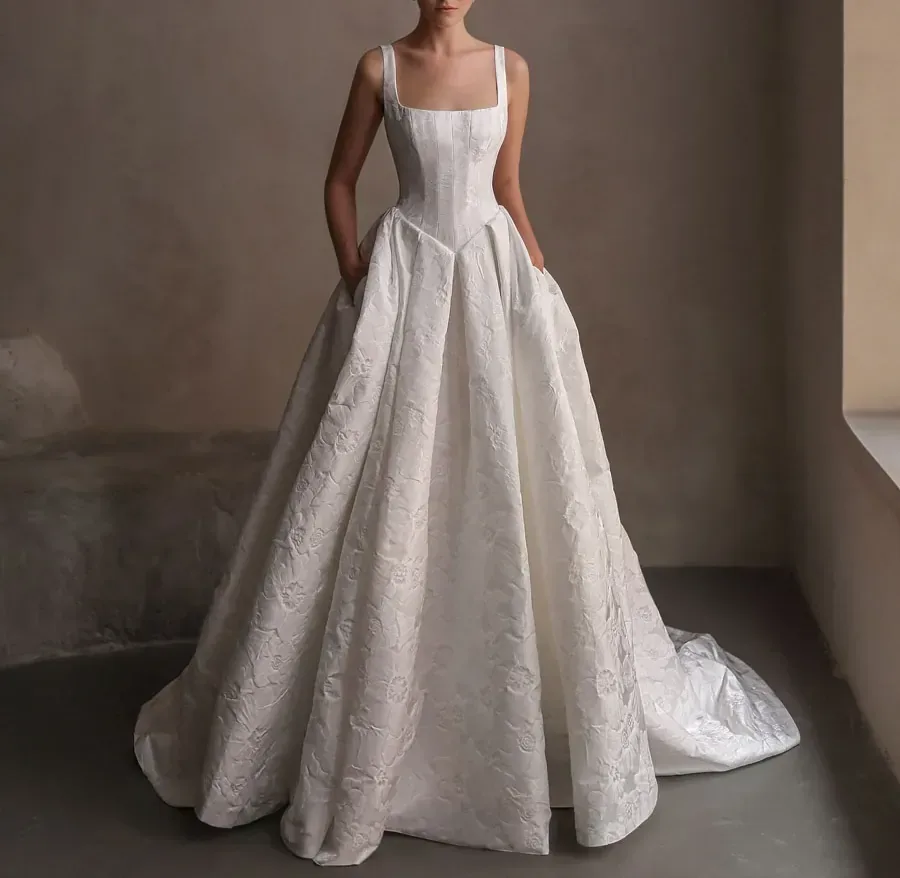
The bride in Cow Hollow had worn the gown once, then packed it away for three years. When she asked us to prepare it for her sister’s wedding, the first step was not cleaning. It was a full examination of fabric weight, seam direction, bead security, and every area the designer had flagged as delicate.
Wedding gowns carry more variables than most garments. The bodice may be silk charmeuse backed by structured netting. The skirt could combine French lace, horsehair braid, and hand-sewn pearls. Each element reacts differently to moisture, pressure, and temperature. A single missed detail changes how the dress hangs on the next wearer.
We begin at the interior. We note the placement of every stay, the direction of each seam allowance, and whether the lining was cut on the bias or straight. If the gown carries a designer label with specific care instructions, those notes guide every subsequent decision. Some houses specify that only the outer layer may be touched; others require the entire interior to be supported during pressing. Those instructions are recorded before anything else happens.
Next comes the surface. Beading is checked stitch by stitch under direct light. Loose threads are secured, not removed. Areas where beads sit against silk are tested for color transfer. Stains are mapped by type and age—champagne sugars, makeup oils, and grass marks each require their own solvent sequence. We photograph the location of every mark so the client sees exactly what existed before treatment.
Why this level of review matters on the day it counts
A rushed inspection often leads to later surprises: a bead that pulls during the first dance, a pressed crease that refuses to relax, or a faint shadow that appears in photographs. Those moments pull attention away from the event itself. The evaluation step prevents that shift in focus.
Clients in Cow Hollow have come to expect this same standard whether the gown is being readied for a second wearing or stored between generations. The process stays identical because the risk does not change with the calendar.
When you are ready to have your own gown assessed before any work begins, we can arrange pickup on your schedule.
Schedule a Pickup →The sequence we follow every time
After the initial mapping, we test a small, inconspicuous section of each fabric combination. This confirms how the dyes, finishes, and embellishments will respond. Only then do we decide whether spot treatment, full immersion, or surface-only methods are appropriate. The notes from this test travel with the gown through every stage that follows.
Alex Najafi founded Alex's Dry Cleaning Valet in 1984 and has operated it personally ever since, which is why the same evaluation discipline appears on every wedding gown that enters our care. The work itself is performed by Alex's Team, each member trained to follow the documented sequence rather than rely on memory.
Once cleaning is complete, the gown is finished on forms that match its original shape. Hems are steamed from the inside so no impression shows on the face fabric. Beading is re-checked under the same light used at intake. The final review confirms nothing shifted during the process.
Many families in Cow Hollow keep gowns for decades. When the same piece returns for a second or third wearing, the original evaluation notes are still on file. That continuity removes the need to start from scratch each time.
The link below answers the questions that usually come up when a gown has special construction or heirloom value: the best dry cleaning in Cow Hollow.